



By Delaine Fowler, Accelerate Therapy & Performance
Clinical Review and Expert Authoritative Insight
Reviewed and clinically authorized by Dr. Michael Stanton, DPT, OCS — Board Certified Orthopedic Clinical Specialist and Senior Physical Therapist at Accelerate Therapy and Performance. Dr. Stanton oversees all post surgical physical therapy care protocols, ensuring evidence-based standards and personalized approaches are rigorously applied to optimize patient recovery outcomes.
Dr. Stanton’s clinical review protocols emphasize comprehensive initial evaluations, precise phase-based rehabilitation milestones, and continuous outcome assessments tailored to both knee surgery rehabilitation clinics and shoulder operation recovery therapy programs. His expertise fortifies the authority and trustworthiness of this article’s guidance, aligning with the highest standards of Experience, Expertise, Authority, and Trustworthiness (E-E-A-T).
Post-surgical recovery can significantly impact an individual’s mobility and quality of life. Understanding effective strategies for rehabilitation is crucial for those looking to regain strength and function swiftly. This article explores expert models of physical therapy and rehabilitation to facilitate optimal post-surgical recovery. Readers will gain insights into individualized treatment plans, evidence-based practices, and various therapeutic interventions, thereby addressing common post-surgical challenges. The concepts explored herein will help bridge the gap between surgical procedures and physical recovery, promoting enhanced patient outcomes through targeted interventions. The key topics covered include manual therapy, therapeutic exercises, lifestyle guidance, and clinical recovery milestones, providing comprehensive insights into effective rehabilitation practices within post surgical physical therapy care.
To better understand how these individualized pathways are established, experts emphasize the value of starting with a thorough clinical assessment.
Comprehensive Physical Therapy Evaluation for Post-Surgical Recovery Every rehabilitation program begins with a thorough evaluation at the initial physical therapy visit, addressing concerns and establishing therapy guidelines to use in designing the recovery process. Rehabilitation for the postsurgical orthopedic patient, 2013
Individualized Treatment Plans in Post Surgical Physical Therapy Care
Individualized treatment plans are essential for effective post-surgical rehabilitation, as they cater to the unique needs of each patient. These plans consider factors such as the type of surgery, the patient’s overall health, and specific recovery goals. Physical therapists play a crucial role in tailoring these plans, ensuring that interventions align with the patient’s individual circumstances. By customizing therapy sessions, therapists can address specific areas of weakness or pain, facilitating a smoother recovery process.
In each treatment plan, the focus is on optimizing recovery while enhancing mobility and functionality. For instance, post-knee surgery patients working with a knee surgery rehabilitation clinic may need a tailored approach that incorporates strength-building exercises, while those undergoing shoulder operation recovery therapy might focus on flexibility and range-of-motion activities. Ensuring that treatment plans are individualized fosters better engagement and motivates patients in their recovery journey.
For those seeking specialized care, Accelerate Therapy and Performance offers tailored solutions designed to meet the diverse needs of patients post-surgery. Recognizing the critical nature of personalized rehabilitation services, our goal is to enhance recovery and improve overall quality of life.
Evidence-Based Practices
Evidence-based practices in physical therapy incorporate research findings to guide effective intervention strategies. This methodology not only places a strong emphasis on outcomes but also integrates the latest scientific knowledge into rehabilitation protocols. The use of evidence-based approaches can lead to faster recovery times and more effective management of post-surgical symptoms.
Practices such as progressive resistance training and neuromuscular reeducation are grounded in research, highlighting their effectiveness in enhancing muscle strength and coordination. Furthermore, utilizing validated assessment tools ensures therapists make informed decisions based on solid data, thereby improving treatment efficacy and patient satisfaction.
Implementing evidence-based practices offers enhanced recovery pathways for patients, reducing the likelihood of complications and promoting better long-term health outcomes.
Manual Therapy
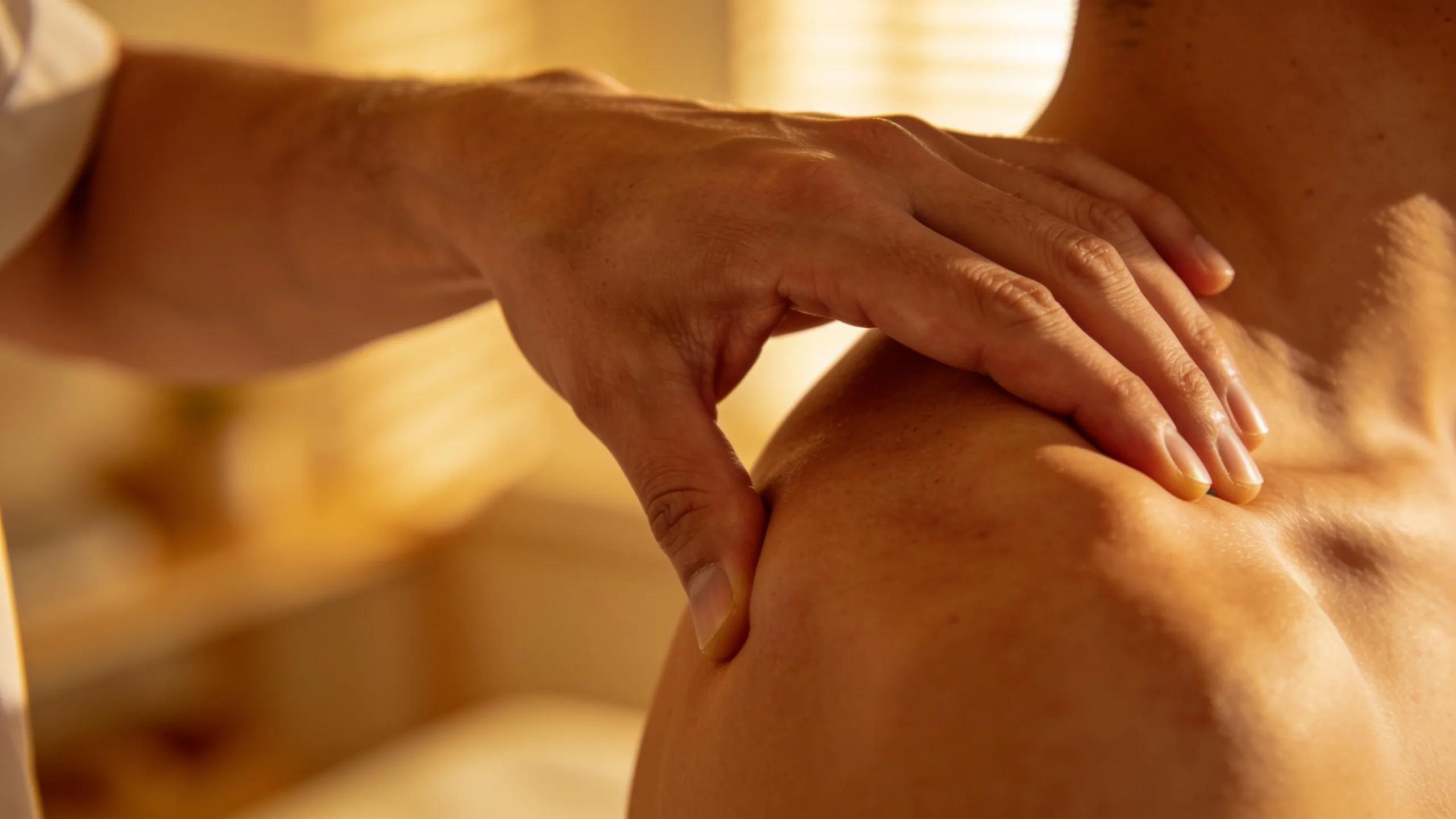
Manual therapy is a specialized form of physical therapy that involves hands-on techniques used to manipulate muscles and joints. This approach aims to enhance tissue mobility, reduce pain, and improve overall functionality following surgery. Techniques may include soft tissue mobilization, joint mobilizations, and myofascial release, each selected based on the patient’s specific needs.
The benefits of manual therapy extend beyond immediate pain relief; it also helps to promote circulation and lymphatic drainage, crucial for reducing swelling and facilitating healing. Integrating manual therapy into rehabilitation post-surgery can foster an environment conducive to recovery.
Research shows that when manual therapy is combined with therapeutic exercises, patients often experience more significant improvements in mobility and strength.
Therapeutic Exercises
Therapeutic exercises are fundamental components of post-surgical rehabilitation, designed to restore strength, flexibility, and overall physical function. These exercises vary based on the specific surgical procedure and individual health conditions. For instance, patients recovering from knee surgery might focus on quad strengthening exercises, while shoulder surgery survivors may engage in rotator cuff strengthening.
Incorporating therapeutic exercises early in the rehabilitation process is crucial for optimal recovery. Such exercises not only improve joint mobility but also enhance muscle activation and endurance. Following surgical interventions, the emphasis on gradually increasing the intensity and complexity of exercises supports a proactive approach to recovery.
Accelerate Therapy and Performance emphasizes proper alignment and technique during exercises to prevent re-injury and enhance outcomes, making targeted exercise protocols vital for successful rehabilitation.
Non-Invasive Modalities
Non-invasive modalities are often employed in conjunction with traditional physical therapy to enhance recovery following surgery. These treatments include techniques such as electrical stimulation, ultrasound therapy, and cryotherapy. Each modality serves a unique purpose, targeting pain relief, inflammation reduction, and healing acceleration.
For example, electrical stimulation can help activate muscles that may be difficult to engage during early recovery stages, while ultrasound therapy can facilitate tissue healing through increased blood flow. The integration of non-invasive modalities into rehabilitation strategies can improve overall efficacy and patient comfort.
Utilizing these therapies in a strategic manner aligns with current practices focused on minimizing pain and optimizing physical recovery.
Patient Education
Educating patients during the recovery process is essential for promoting active participation and successful outcomes. Patient education entails providing information on expected recovery timelines, techniques to manage pain, and guidance on home exercise programs. Equipping patients with knowledge increases their confidence and engagement in recovery efforts.
Engaging patients through educational materials, workshops, and individualized discussions fosters a supportive therapeutic environment. Effective communication about post-surgical care, including potential challenges, helps mitigate anxiety and encourages proactive approaches to rehabilitation.
Ultimately, informed patients are more likely to adhere to prescribed treatment regimens, which can significantly enhance recovery times and overall satisfaction with the rehabilitation process.
Functional Retraining
Functional retraining focuses on helping patients regain the ability to perform daily activities they engaged in prior to surgery. This aspect of rehabilitation is crucial for ensuring that patients can return to their normal lives with minimized pain and improved mobility. Therapists guide patients through specific tasks and movements, providing supportive feedback and adjustments as needed.
Activities may include walking, climbing stairs, or lifting objects, with an emphasis on safe and efficient movement patterns. The benefits of functional retraining extend beyond mere physical capabilities; they also instill a sense of independence and confidence in patients as they progress towards full recovery.
Effective functional retraining requires collaboration between therapists and patients to establish achievable goals that align with the individual’s lifestyle and aspirations.
Lifestyle and Nutritional Guidance

Incorporating lifestyle and nutritional guidance into post-surgical recovery can substantially impact healing and rehabilitation. Proper nutrition supports tissue repair and energy levels, while lifestyle factors such as sleep, hydration, and stress management play critical roles in recovery effectiveness.
A balanced diet rich in vitamins, minerals, and proteins accelerates healing processes, supporting both physical and mental well-being. Simple lifestyle adjustments—such as maintaining a regular sleep schedule and implementing stress-reduction techniques—can also enhance recovery experiences.
Coaching patients on these aspects allows for a comprehensive approach to recovery. It reinforces the importance of self-care in conjunction with therapeutic interventions, facilitating a more complete recovery journey.
Post-Surgical Rehabilitation Milestones & Recovery Timeline Table
How Does Early Mobility Support Faster Knee Surgery Rehabilitation in a Clinic Setting?
Early mobility is vital for expediting knee surgery rehabilitation under post surgical physical therapy care at a dedicated knee surgery rehabilitation clinic. Research indicates that initiating movement within the first few days following knee surgery significantly reduces recovery times and the risk of complications such as scar tissue formation and joint stiffness. Early mobility promotes blood circulation, enhances joint flexibility, and prepares muscles for subsequent strengthening activities.
Clinical insights stress the importance of differentiating between passive range of motion (PROM), active-assisted range of motion (AAROM), and active range of motion (AROM) when prescribing exercises. Initially, PROM criteria apply when patients cannot actively contract muscles fully due to pain or tissue healing constraints. Progression to AAROM and then active motion is governed by strict criteria including pain levels, inflammation control, and tissue healing benchmarks.
Incorporating early mobility practices under the guidance of a physical therapist ensures movements are performed safely and effectively to avoid setbacks. Patients progressively increase activity levels, facilitating smooth transitions through recovery phases.
Moreover, early mobility management helps control postoperative pain and prevents stiffness, creating a solid foundation for further strengthening and functional recovery. This nuanced approach to mobility exemplifies best practices in the knee surgery rehabilitation clinic environment.
Early Mobilization Strategies in Post-Orthopedic Surgery Recovery Early mobilization interventions in post-orthopedic surgery patients play a critical role in enhancing recovery, improving range of motion, and supporting overall functional independence during the rehabilitation phase. Early mobilization in post-orthopedic surgery patients: a scoping review, P Rhamelani, 2025
Which Physical Therapy Techniques Improve Knee Surgery Rehabilitation?
- Progressive Resistance Training: Gradually increasing resistance strengthens muscles around the knee joint and enhances functional stability.
- Aquatic Therapy: Utilizing water for rehabilitation provides a low-impact environment, reducing joint stress while facilitating early mobility and resistance.
- Balance and Coordination Exercises: Targeted activities improve proprioception and decrease risk of falls or re-injury during recovery.
Employing these techniques collectively ensures a comprehensive rehabilitation approach, optimizing functional gains and minimizing recovery times following knee surgery.
How Is Shoulder Operation Recovery Therapy Tailored for Effective Rehabilitation?
Tailoring physical therapy after shoulder surgery within specialized shoulder operation recovery therapy programs is essential to address each patient’s unique needs. Key considerations include the specific surgical procedure—such as rotator cuff repair or labral repair—and the patient’s preoperative condition.
Recovery protocols emphasize gradual restoration of motion starting with passive range of motion, transitioning carefully toward active-assisted, and finally active movements. Scar tissue mobilization typically starts cautiously around week 4, preventing adhesions while respecting tissue healing phases. Neuromuscular re-education is essential to restore coordinated muscle activity and scapular stabilization.
Therapists closely monitor progression, applying objective criteria: pain control, range of motion benchmarks, and strength milestones define transitions between phases. Personalized therapy sessions focus on improving range of motion, strengthening surrounding musculature, and gradually returning patients to daily and sport-specific activities, with ongoing adjustments based on patient response.
Structured timelines and evidence-based stage progression are critical, ensuring safe yet effective functional restoration.
Evidence-Based Post-Operative Rehabilitation and Timing Protocols A rehabilitation protocol should also take into account the timing of tissue healing and post-surgical rehabilitation of the suture of the rotator cuff, incorporating physical therapy and continuous passive motion for optimal outcomes. Post-operative rehabilitation after surgical repair of the rotator cuff, 2009
What Are the Recommended Shoulder Surgery Rehabilitation Exercises?
- Pendulum Exercises: Gentle circular movements restore range of motion without stressing the healing tissues.
- Wall Crawls: Slowly raising the hands up the wall enhances flexibility and joint mobility in a controlled manner.
- Resistance Band Shoulder Presses: Strengthening the shoulder muscles promotes functional recovery and joint stability.
Rigorous adherence to these exercises while monitoring pain and mobility facilitates safe and efficient return to function within shoulder operation recovery therapy.
How Does Pain Management Enhance Shoulder Operation Recovery?
Effective pain management is fundamental to enhancing recovery in shoulder operation recovery therapy. Employing a multi-modal approach—including pharmacologic options, manual therapies, and adjunct modalities—supports comprehensive management.
Controlled pain relief enables patients to participate more fully and actively in therapeutic exercises, fostering improved mobility and function. Modalities such as cryotherapy, electrical stimulation, and guided relaxation further mitigate discomfort.
Optimized pain control enhances adherence to rehabilitation programs and ultimately accelerates functional restoration.
Advanced Clinical Insights on Recovery Phase Transitions and Neuromuscular Re-Education
Successful post surgical physical therapy care involves meticulous attention to criteria guiding phase transitions. Decisions to advance a patient from one phase of rehabilitation to the next take into account pain levels, inflammation control, range of motion (ROM) achievements, strength progression, and functional performance.
Key distinctions include:
- Passive Range of Motion (PROM): Movement performed by the therapist without patient muscle activation, primarily during Phase 1 to avoid stressing healing tissues.
- Active-Assisted Range of Motion (AAROM): Patient-initiated motion aided by therapist or devices, typically introduced in Phase 2 to gently promote muscle reactivation without overload.
- Active Range of Motion (AROM): Full patient-initiated joint motion without assistance, usually achievable in mid to late phases as healing permits.
Scar tissue mobilization is carefully integrated once the tissue has gained initial strength, to prevent adhesions while minimizing reinjury risk. Neuromuscular re-education focuses on retraining muscle firing patterns for joint stability and coordinated movement, often commencing in Phase 2 and intensifying through subsequent phases.
Therapists use objective measures such as pain reports, edema control, ROM benchmarks, strength tests, and functional evaluations to determine safety and readiness for phase progression. This thorough, criteria-driven approach is essential in advanced post surgical physical therapy care to optimize outcomes and prevent complications.
How Can Post Surgery Mobility Improvement Reduce Recovery Time and Pain?
Improving mobility post-surgery directly correlates with reduced recovery time and pain levels. Engaging in scheduled physical activities promotes tissue healing and facilitates lymphatic drainage, helping to decrease swelling. The focus on gentle, progressive movement allows for greater engagement of the musculoskeletal system while mitigating discomfort.
Encouraging patients to prioritize mobility through prescribed exercises fosters autonomy in their recovery journey. Such approaches enable individuals to manage pain better, boosting both physical and emotional well-being during the rehabilitation process.
Through collaborations with therapists and proactive strategies, patients can significantly enhance their recovery trajectories, promoting long-term health.